
Search Ohio DUI Records
Ohio DUI records are public court documents filed under the state's OVI laws. You can look them up online or in person at the court where the case was heard. Ohio calls its drunk driving charge "OVI" instead of DUI, but either term gets you to the same records. Municipal courts handle most first, second, and third OVI cases, while Common Pleas Courts take over for felony charges. The state runs 88 counties, and each one has its own clerk of courts who keeps these case files. You can search by name or case number to find what you need. Free tools like the Ohio Courts Network let you pull up basic case info from home.
Ohio DUI Records Overview
Where to Find Ohio DUI Records
DUI records in Ohio sit with the clerk of courts in the county where the case was filed. Municipal courts handle most OVI cases since first through third offenses are misdemeanors. If an offense is a fourth or more within ten years, it jumps to a felony, and Common Pleas Court takes the case. The clerk at each court keeps the full file. That file holds the complaint, test results, plea deal, and the judge's final order. You can ask for copies at the courthouse or search for basic case info online through the Ohio Courts Portal.
The Ohio Bureau of Motor Vehicles also keeps DUI records tied to your driving history. When a court convicts someone of OVI, the clerk sends a certified abstract to the BMV. That adds six points to the driving record. The BMV tracks license suspensions, Administrative License Suspensions from test refusals, and any limited driving privileges a judge may grant. You can request a copy of a driving record through the BMV, which shows all OVI convictions and point totals.
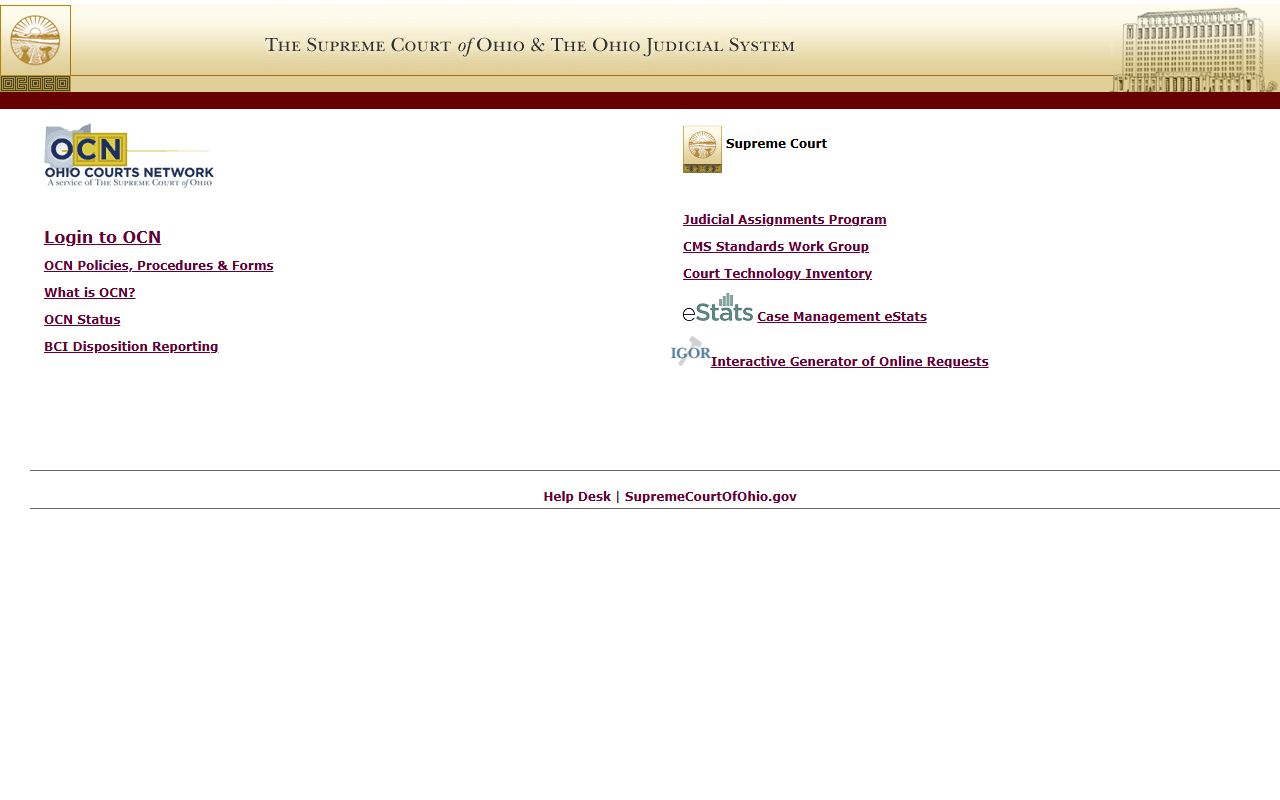
The Ohio Courts Portal connects all trial courts in the state. It gives court staff and the public a way to look up case data across county lines. The system covers docket info, case status, and some filing details for OVI cases heard in any Ohio court.
Note: Ohio uses the term OVI (Operating a Vehicle under the Influence) instead of DUI, but both refer to the same offense and the same court records.
How to Search DUI Records in Ohio
Ohio gives you a few ways to search for DUI records. Online tools work best for quick lookups. Going to the courthouse is the move when you need certified copies or want to see the full case file. Both paths get you to the same records.
Many counties run their own online case search portals. For example, Franklin County's Case Information Online system lets you search by name or case number and pull up docket entries, charges, and case status. Cuyahoga County's court docket search does the same for the Cleveland area. Allen County uses the CourtView system for public case lookups. Not every county has an online portal, but most larger ones do. When a county lacks its own tool, you can try the statewide Ohio Courts Network or call the clerk of courts directly.
To search DUI records, you need a few things:
- Full name of the person
- The county where the case was filed
- Case number if you have it
- Rough date of the arrest or filing
You can also go in person. Head to the clerk of courts at the right courthouse. Staff can look up cases and pull files. Fees for standard copies run about $0.05 per page. Certified copies cost $1.00 per page. Some offices also charge a small search fee. Call first to check hours and what you need to bring.
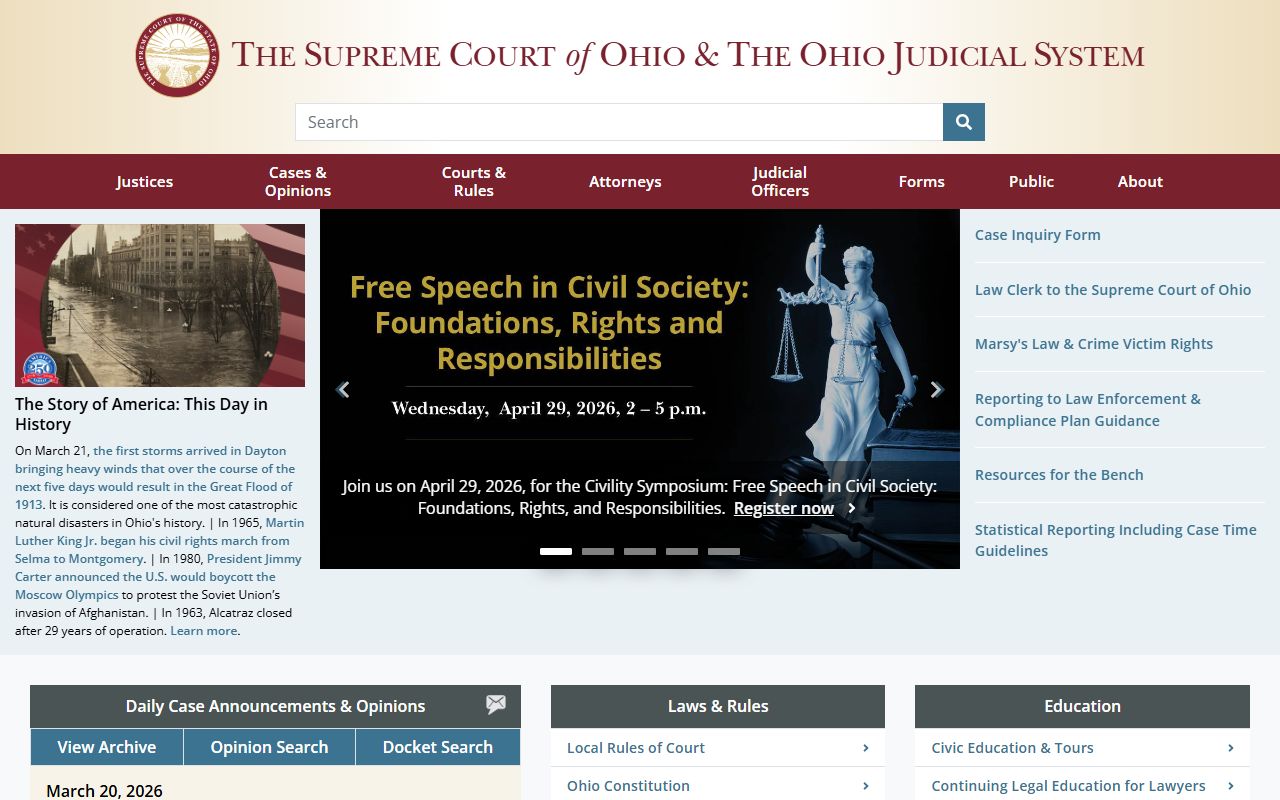
The Ohio Supreme Court site has a court directory that helps you find the right court for any county. It lists every municipal court, county court, and Common Pleas Court in the state with contact info and website links.
Ohio OVI Law and DUI Records
Ohio Revised Code Section 4511.19 is the main OVI statute. It makes it a crime to drive with a blood alcohol level of 0.08% or more. The law also sets per se limits for drugs like marijuana, cocaine, and methamphetamine. A "high test" charge kicks in at 0.17% BAC or above, and it carries stiffer penalties. OVI cases in Ohio fall into standard tier and high tier groups based on the test results.
Penalties go up fast with each offense. A first OVI brings a three-day jail term (or a Driver Intervention Program), fines from $375 to $1,075, and a one to three year license suspension. A second offense within ten years means ten days in jail, fines up to $1,625, and one to seven years off the road. Third offenses carry 30 days in jail and fines up to $2,750. By the fourth offense in ten years, it is a felony with possible prison time of six to 30 months.
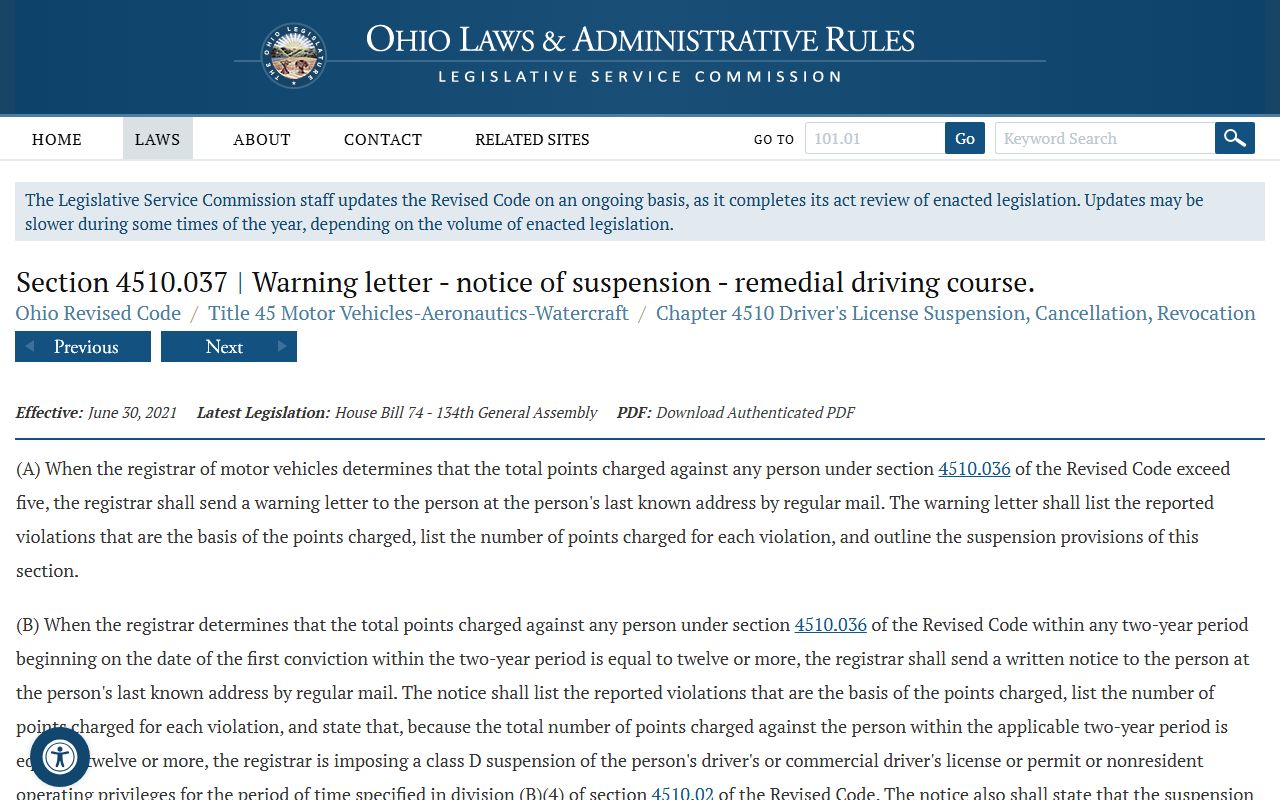
The Ohio Revised Code lays out every threshold and penalty for OVI charges. Courts across the state use these statutes when handling DUI cases and setting sentences. The sentencing chart from the Ohio Supreme Court helps judges apply the right penalties based on offense level and prior record.
Ohio's implied consent law under ORC Section 4511.191 says that anyone who drives in Ohio has already agreed to a chemical test if pulled over for OVI. Refuse the test and you face an automatic one-year Administrative License Suspension for a first refusal. That goes to two years if you have a prior. The arresting officer fills out BMV Form 2255, and the suspension hits right away. Under ORC Section 4511.197, you can appeal the suspension within 30 days of your first court date, but you have to show the officer lacked reasonable grounds or did not follow the right steps.
DUI Records and Chemical Testing
Chemical test results are a big part of any DUI record in Ohio. Under ORC Section 4511.192, officers must tell you what happens if you take or refuse the test before they run it. They also have to let you know that you can get your own independent test done at your own cost. Test results need to come within two hours of the alleged offense for per se charges to stick.
The test type is up to the agency. It could be breath, blood, urine, or oral fluid. Breath tests at or above 0.08 grams per 210 liters are a standard OVI. Blood tests at or above 0.08% by weight trigger the same charge. For drugs, the law lists exact nanogram thresholds for each substance. All of these test results end up in the court record and on the BMV file.

The Ohio BMV keeps track of every OVI conviction on a person's driving record. Each one adds six points. If a driver hits 12 points in two years, the BMV suspends the license for six months on top of any court-ordered suspension. The BMV sends a warning letter at six points.
License Suspensions in Ohio DUI Cases
A DUI conviction in Ohio always comes with a license suspension. First offense means one to three years. Second offense jumps to one to seven years. Third is two to 12 years. Felony OVI can bring a lifetime ban in some cases. But courts can grant limited driving privileges for work, school, or medical needs after a waiting period.
Under ORC Section 4510.037, first-time OVI offenders can get limited privileges after 15 days of hard suspension. During those 15 days, no driving at all. After that, the court may set hours, routes, and conditions. High-test offenders and repeat offenders must install an ignition interlock device as a condition of limited driving privileges. The Ohio Traffic Safety Office manages the interlock program and keeps a list of certified providers. Device costs run $50 to $150 for install plus $60 to $100 per month for monitoring.
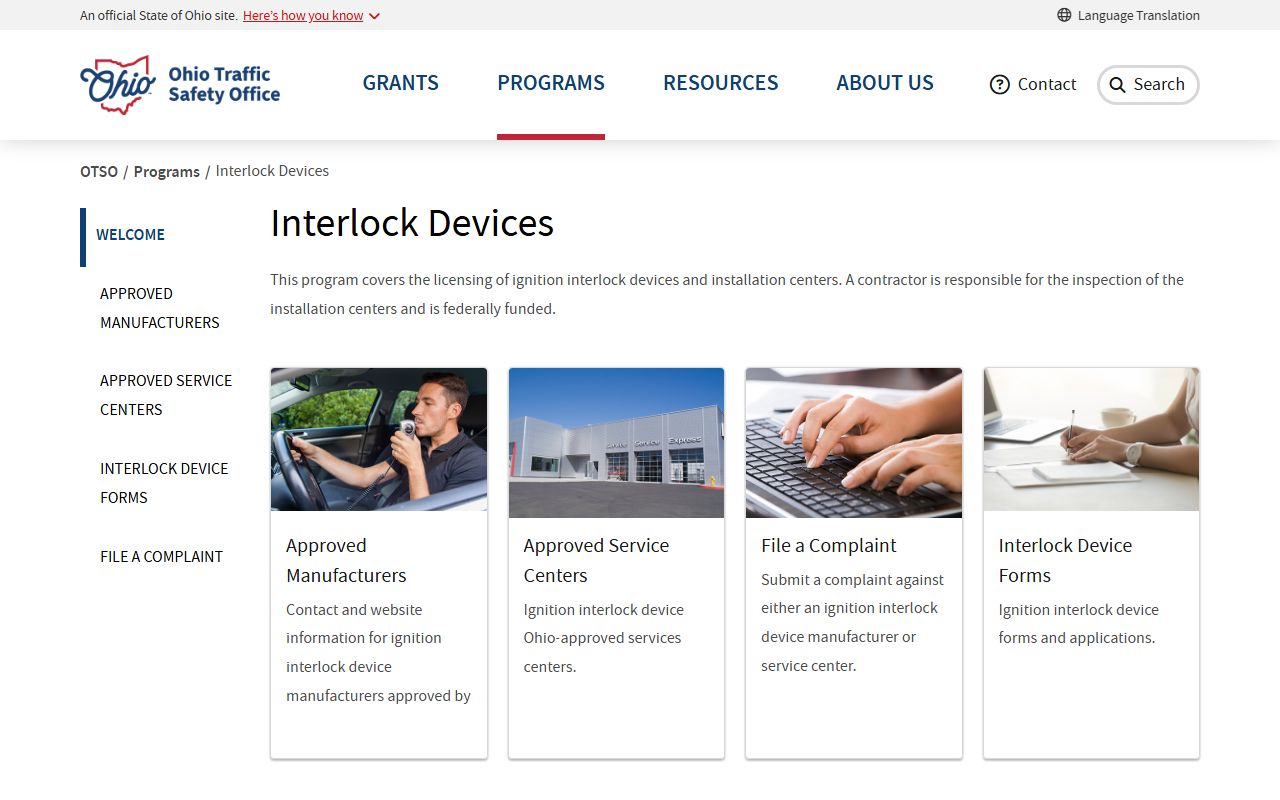
The Ohio Traffic Safety Office posts forms for interlock device orders, install certificates, and monitoring reports. Courts use these forms when granting limited driving privileges to OVI offenders. Violations like failed breath tests or tamper attempts get reported back to the judge.
Reinstatement after an OVI suspension costs $475 through the BMV. You also need to file SR-22 proof of insurance. The reinstatement fee breaks down into several state funds: $75 goes to the reparations fund, $40 to the indigent drivers alcohol treatment fund, $75 to disability services, and the rest splits between drug education and public safety programs.
Ohio DUI Records and Treatment Programs
Ohio runs a Driver Intervention Program as a jail alternative for first-time OVI offenders. Instead of three days in jail, an offender can attend a 72-hour education and screening program certified by the Ohio Department of Behavioral Health. These programs usually run over a weekend at a hotel, covering the effects of alcohol on driving, Ohio's OVI laws, and strategies for safer choices. The court decides if the offender qualifies.
People on public assistance like SSI, Medicaid, or disability benefits may get help with DIP fees. Contact DIP providers for details. For questions about the program, email DIPProgram@dbh.ohio.gov or call the DBH Bridge Line at 614-466-7228.
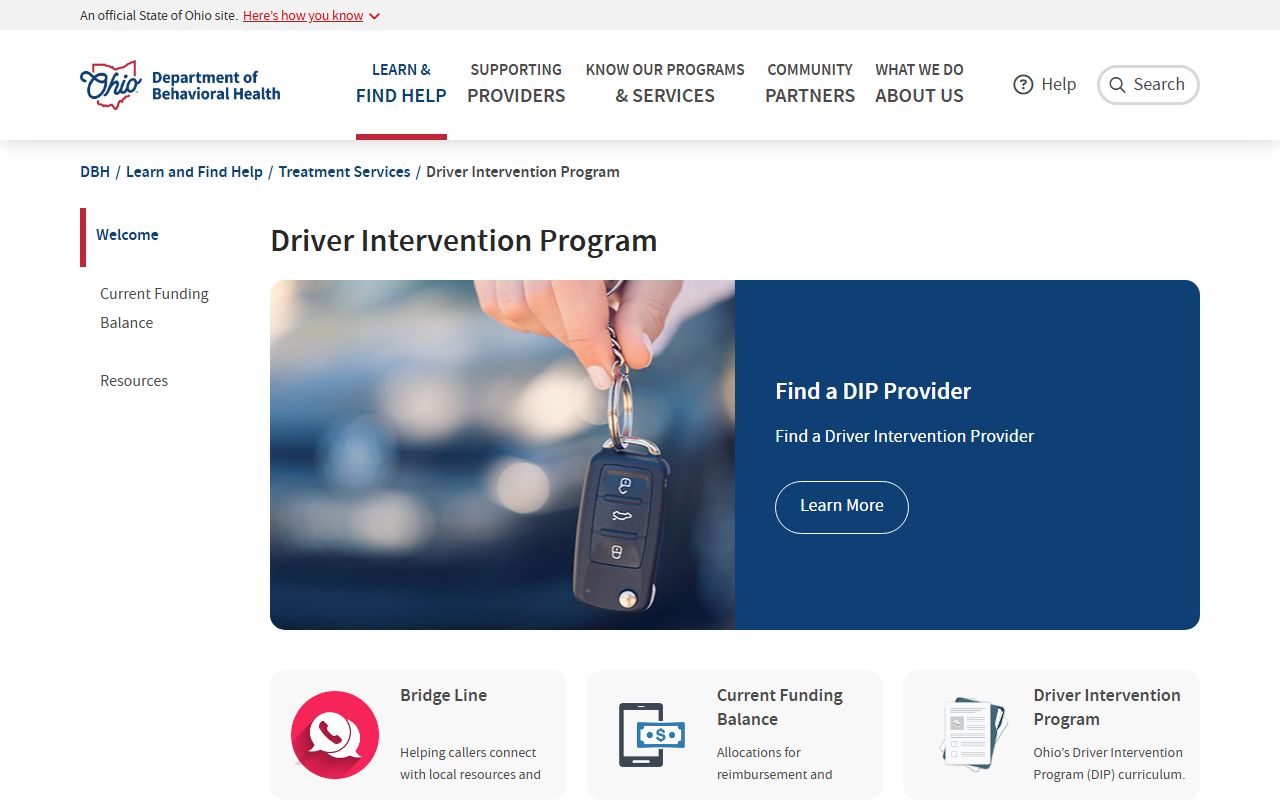
The Ohio Department of Behavioral Health certifies DIP providers by region. Each provider must meet minimum standards for curriculum, staffing, and program structure. Completion certificates get filed with the court to prove the offender met the jail alternative.
Are Ohio DUI Records Public
Yes. Court records in Ohio are public under Ohio Revised Code Section 149.43. Anyone can ask for copies of OVI case files at the clerk of courts. You do not need to be part of the case. The Ohio Attorney General oversees public records laws and publishes guides on how to request records and what fees apply. If a records request gets denied, you can file a complaint with the AG's office.
Some parts of a DUI file may be redacted. Social security numbers, bank account numbers, and certain medical info get blacked out. Sealed records from expungement cases are not public. But the vast majority of OVI case documents are open for anyone to see, including the complaint, test results, plea agreement, and sentencing order.

The Ohio Attorney General provides model public records policies for courts and government agencies. The AG's Sunshine Laws manual explains what records are public, what can be withheld, and how to challenge a denial. Courts rely on this guidance when handling requests for OVI case files.
The Ohio State Bar Association also provides OVI resources. The Bar's lawyer referral service connects people with attorneys who handle DUI cases. Their site includes articles on what to expect after an OVI arrest and how the court process works.

The Bar Association tracks changes to OVI statutes and provides continuing education for attorneys on DUI defense and prosecution. This helps keep legal representation current with evolving law.
Ohio DUI Records Resources
The Ohio Department of Public Safety oversees several agencies tied to DUI enforcement. The State Highway Patrol runs OVI checkpoints and patrols. The department manages the indigent drivers interlock fund, which helps people who cannot afford ignition interlock devices. It also sets checkpoint guidelines and publishes OVI arrest data.
The Department of Public Safety also runs training for law enforcement on standardized field sobriety testing and drug recognition. Well-trained officers build stronger cases, which means more complete DUI records in the court system.
The Bureau of Criminal Investigation handles disposition reporting. Courts must report OVI case outcomes to BCI so convictions show up on criminal background checks. This reporting makes sure DUI records are part of the statewide criminal history system.
Note: OVI conviction records stay on your Ohio driving record permanently, though points only count toward point-based suspensions for two years from the offense date.
Browse Ohio DUI Records by County
Each of Ohio's 88 counties has its own court system that handles OVI cases. Pick a county below to find local clerk contact info and resources for DUI records in that area.
DUI Records in Major Ohio Cities
City residents file OVI cases at the municipal court or Common Pleas Court in their county. Pick a city to find which court handles DUI records for that area.